LYMPHEDEMA AND CELLULITIS: HOW A CONSISTENT SKIN CARE ROUTINE SUPPORTS YOUR FIRST LINE OF DEFENSE
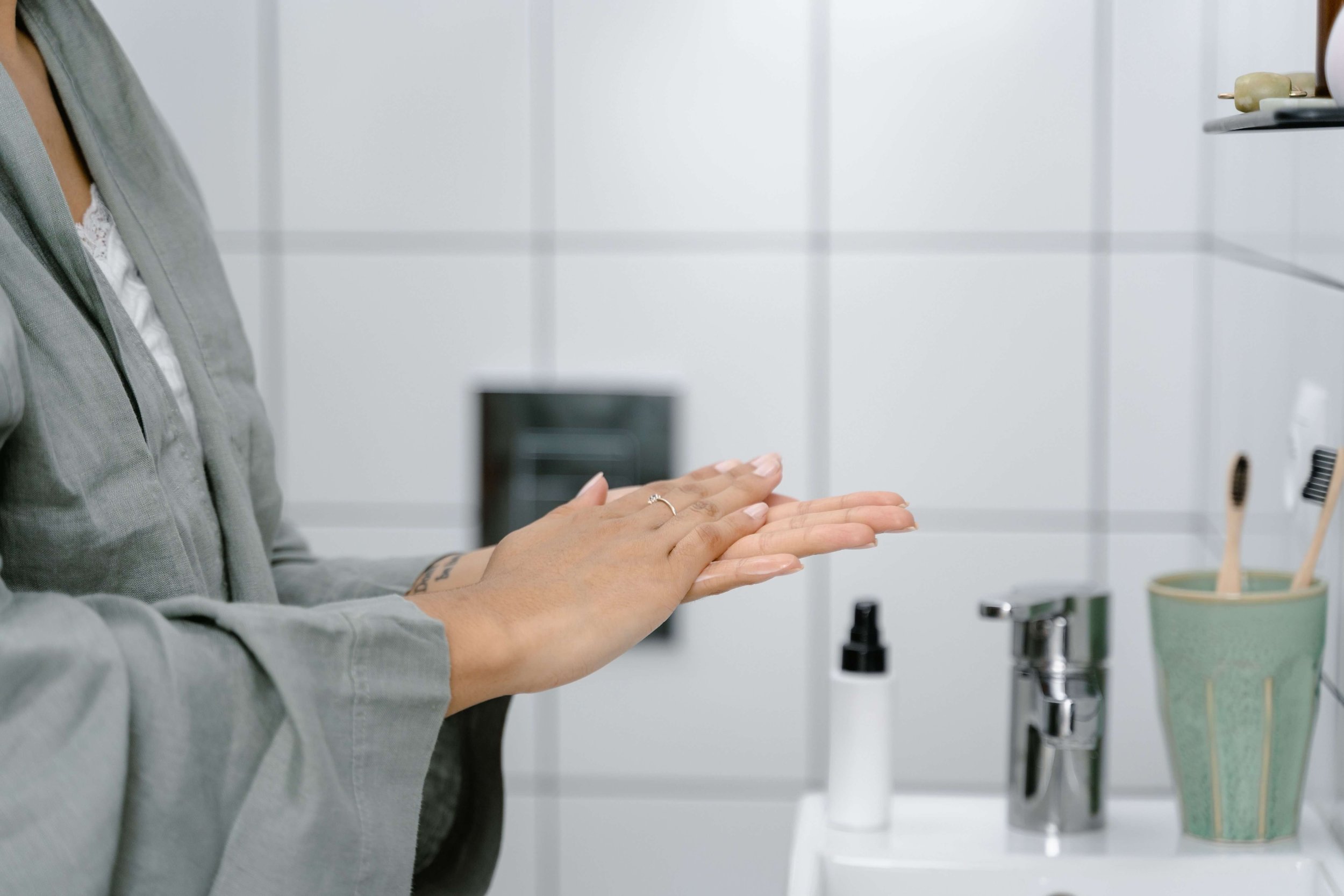
If you live with lymphedema, you already know that skin care is not optional. But you may not always know exactly why, or what a daily skin care routine actually needs to include to make a real difference.
This post is about one of the most important connections in lymphedema self-care: the relationship between your skin's daily condition and your risk of developing complications like cellulitis.
Keep reading for information about why skin barrier care matters, and how to build a simple, sustainable routine for yourself.
What Is Cellulitis and Why Does It Matter for Lymphedema?
Cellulitis is a bacterial skin infection. For most people, it is uncomfortable but manageable. But for people living with lymphedema, it can become a recurring and serious concern.
Lymphedema affects the way your body clears fluid and supports immune function in affected tissue. When skin is dry, cracked, or compromised, it creates small openings that bacteria can enter through. In skin that is already dealing with impaired lymphatic drainage, those openings can lead to infections that take longer to clear and are more likely to come back.
There’s no need to fear, though; understanding the basics of cleansing and moisturizing is both simple and effective in reducing complications.
The Skin Barrier: What It Does and Why It Needs Support
Your skin barrier is the outermost layer of your skin. Its job is to keep moisture in and irritants, bacteria, and environmental stressors out. When it is intact and well-hydrated, it does that job well.
But sometimes it becomes compromised: dry, flaky, tight, and cracking. That’s when the barrier stops doing its job as well as it should.
For people with lymphedema, the skin in affected areas is already working harder than usual. Swelling puts pressure on the tissue. Compression garments, while essential, can create friction and further dryness. The result is skin that needs consistent support to stay comfortable and intact.
A skin care routine might not seem glamorous, but it is one of the most concrete things you can do to support your skin's ability to protect you.
What a Consistent Lymphedema Skin Care Routine Looks Like
It looks… surprisingly simple. In fact, the more steps a routine has, the harder it is to stick with. And consistency is the whole point.
A practical daily routine includes just two steps:
Step 1: Cleanse gently.
Use a mild, fragrance-free bathing solution that cleans without stripping the skin's natural moisture. Harsh soaps disrupt the barrier. You want something that cleans the skin without leaving it feeling tight or dry.
Step 2: Moisturize while skin is still damp.
Applying a lotion within a few minutes of cleansing, before your skin fully dries, helps seal in moisture. Look for something that absorbs quickly so it does not interfere with getting dressed or putting on compression garments.
That it’s. That is the whole routine. Two steps, every day.
Why Fast Absorption Matters More Than You Might Think
One of the most common complaints about body lotions among people managing lymphedema is greasiness. And it is a legitimate concern.
If your lotion leaves a residue, it slows you down. It makes putting on compression garments harder. It sits on top of skin rather than absorbing into it. And if it is uncomfortable or inconvenient, you are less likely to use it consistently.
The easier a routine is to do, the more likely you are to do it every day. Daily consistency is what builds and maintains a healthy skin barrier over time.
Ingredients Worth Looking For
Not all moisturizers are formulated with vulnerable skin in mind. When you are managing lymphedema, you want products that support the barrier without causing irritation.
Look for:
Mineral-rich ingredients like seaweed-derived trace elements, which help nourish and support skin at a deeper level than basic humectants alone.
Fragrance-free formulas. Fragrances are among the most common skin irritants. For skin that is already sensitive or compromised, fragrance-free is the safer choice.
Simple, clean ingredient lists. The fewer potential irritants, the better.
Avoid anything with alcohol high on the ingredient list, heavy synthetic fragrances, or ingredients that leave a heavy film.
A Note on Bug Bites
If you are managing lymphedema, you may already know that bug bites carry a higher risk of complication. Any break in the skin, such as a bite, creates an entry point for bacteria. Support your skin barrier, avoid bites when possible, and keep them clean when they do appear.
To learn more, visit our journal post Bug Bites & Vulnerable Skin: A Practical Bug-Season Skin Care Plan
Consistency Is the Whole Point
There is no single product that will solve everything. Fortunately, being consistent with your routine is what makes the most difference.
Step one: Cleanse. Step two: Moisturize. Consistency is key, and the easier you make it on yourself, the more likely you are to keep doing it. That’s where the right products come in. Ones that actually absorb, that your skin tolerates well, and that fit into your daily life.
Lymphoderm was developed inside a hospital-based MLD clinic because the founder could not find a lotion that truly met her patients' skin needs. It was created specifically to support skin that needs extra attention.
Ready to start a simple, consistent routine? Shop the Starter System: the two-step cleanse and hydrate routine developed for lymphedema care.