Moisturizer Not Working? 9 Reasons Your Lotion 'Sinks In' but Your Skin Still Feels Dry
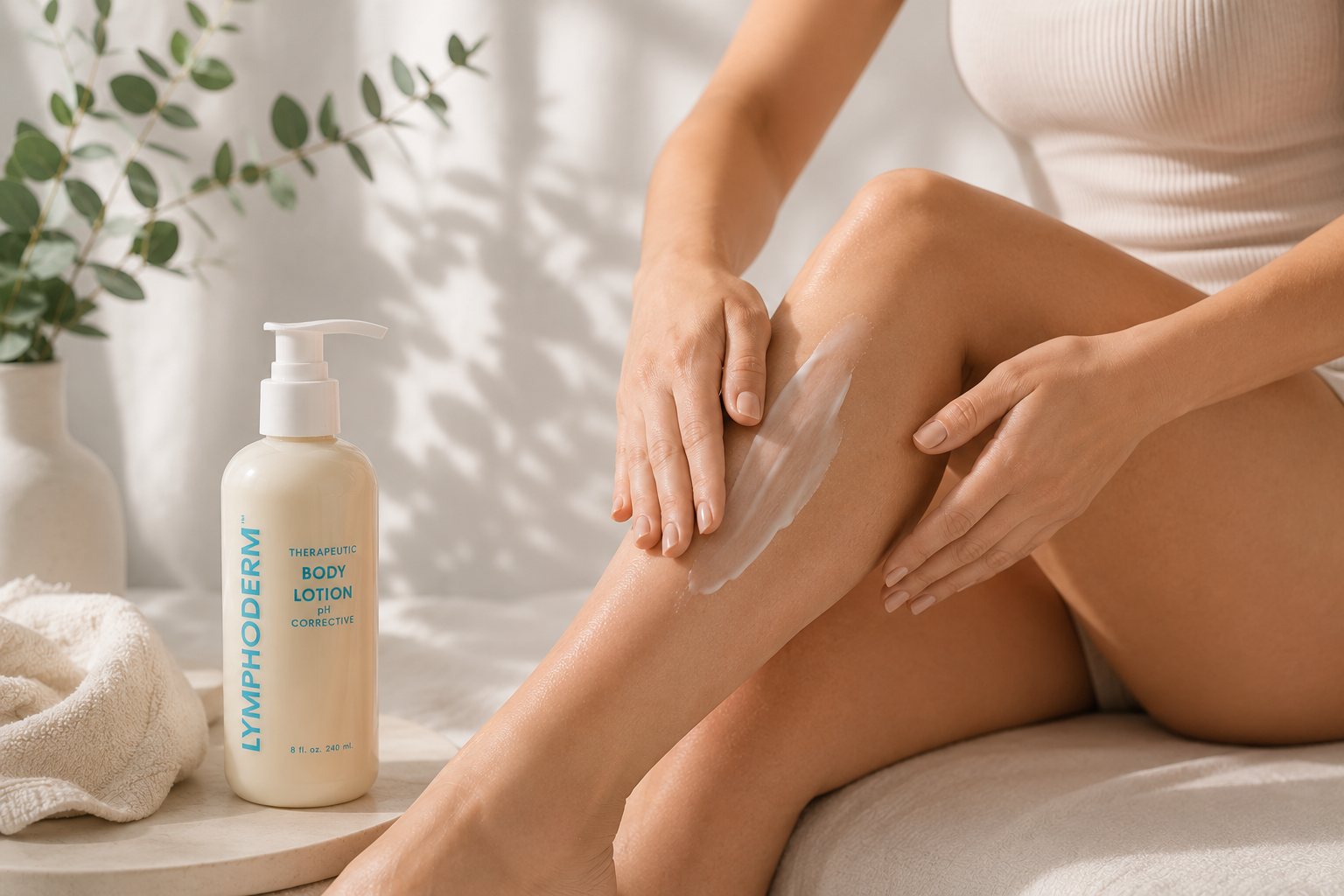
You've tried every moisturizer. Your bathroom shelf looks like a lotion graveyard. Each product absorbs quickly and feels nice for about ten minutes, then your skin is right back to feeling tight, dry, and uncomfortable. You're doing everything right, so why isn't anything working? The problem isn't that you haven't found the right product yet. The problem is that absorption without lasting hydration is actually a symptom of deeper issues your lotion can't fix on its own.
It seems like it should be a good sign when your moisturizer sinks in immediately. After all, absorption means the product is working, right? Not necessarily. When your skin drinks up moisturizer within seconds and still feels dry, it's often telling you something specific about your skin barrier health.
Here's what's really happening:
Dehydrated skin absorbs desperately – Like a dry sponge soaking up water, severely dehydrated skin pulls product in rapidly but can't hold onto it
Compromised barrier can't retain moisture – Even if hydration gets in, a damaged barrier lets it evaporate right back out
You're treating symptoms, not causes – Surface hydration without barrier repair is temporary relief at best
Product mismatch is common – The lotion you're using might not contain what your specific skin actually needs
Timing and technique matter – Even the right product fails if applied wrong
Understanding which of these issues is affecting your skin transforms frustration into a targeted solution.
Reason 1: Your Skin Barrier Is Damaged and Can't Hold Moisture
This is the most common reason moisturizer seems to work temporarily then fails.
What's happening:
Your skin barrier is made of skin cells held together by lipids (oils and fatty acids), with natural moisturizing factors that attract and hold water. When this structure is damaged, moisture escapes almost as fast as you put it in, regardless of how good your moisturizer is.
Signs your barrier is compromised:
Products absorb almost instantly but relief is temporary (minutes, not hours)
Skin feels tight again within an hour of moisturizing
Increased sensitivity to products that never bothered you before
Redness, flaking, or rough texture that won't improve
Your skin reacts to almost everything you try
Why regular moisturizers fail:
Most basic lotions focus on adding moisture (humectants) or creating a seal (occlusives), but they don't actually repair the underlying barrier structure. Without repair, you're pouring water into a leaky bucket.
What actually works:
You need products with barrier-repair ingredients that rebuild the lipid structure and support skin's natural moisture retention.
Look for:
Ceramides (key lipids that hold cells together)
Fatty acids (essential barrier components)
Cholesterol (works with ceramides and fatty acids)
Niacinamide (supports barrier function)
Mineral-rich formulations (provide trace elements skin uses for repair)
Timeline: With consistent barrier-focused care, you should notice improvement within 2-3 weeks and significant repair within 4-6 weeks.
[Internal link to: Dry vs Dehydrated Skin]
Reason 2: You're Applying to Bone-Dry Skin Instead of Damp Skin
When you apply moisturizer matters almost as much as what you apply.
What's happening:
Completely dry skin is less permeable and less receptive to hydrating ingredients. You're trying to force moisture into a surface that's already closed up and defensive.
The difference timing makes:
Dry skin: Products sit on the surface longer, penetration is limited, effectiveness is reduced
Damp skin: Water on the surface helps products spread easily and penetrate deeply, plus you're sealing in that surface moisture
Why this matters so much:
Humectants (like glycerin and hyaluronic acid) work by attracting and holding water. If there's no water available, they're less effective. When you apply to damp skin, they have immediate moisture to grab and hold.
The fix:
Apply moisturizer within 3 minutes of bathing or showering
Pat skin until damp (not dripping wet, not bone dry)
Apply products while you can still feel moisture on your skin
For non-shower application, mist skin lightly with water first or use a damp washcloth
Common mistake: Waiting until you're completely dressed and ready for the day, then applying lotion to dry skin as an afterthought. By then, you've missed the window.
[Internal link to: Why Your Skin Gets So Dry After Showering]
Reason 3: Your Cleanser Is Stripping More Than Your Moisturizer Can Replace
You can't out-moisturize a damaging cleansing routine.
What's happening:
Harsh cleansers strip away your skin's natural protective oils. Even if you moisturize immediately afterward, you're starting from a deficit. Your skin has to recover from the damage before it can benefit from hydration.
Signs your cleanser is too harsh:
Skin feels tight or squeaky clean after washing (that's not a good thing)
You need to moisturize immediately or skin feels uncomfortable
The longer you wait to moisturize, the worse skin feels
Skin looks dull or reddish after cleansing
You use the same harsh soap everywhere (dish soap is not body soap)
Common culprits:
Traditional bar soap (typically pH 9-10, way too alkaline)
Body washes with sodium lauryl sulfate (SLS) or sodium laureth sulfate (SLES)
"Deep cleaning" or "clarifying" products used daily
Antibacterial soaps (unless medically necessary)
Hot water (strips oils aggressively)
The fix:
Switch to a gentle, pH-balanced cleanser (around 4.5-5.5, matching your skin's natural pH). Look for products labeled for sensitive or dry skin, free of harsh sulfates, and fragrance-free.
What you should feel: Clean but not tight. Comfortable even if you wait a few minutes before moisturizing. No squeaky, stripped sensation.
The difference: When you stop damaging your barrier every time you wash, moisturizer can actually work instead of constantly playing catch-up.
[Internal link to: Best Soap for Lymphedema]
Reason 4: You're Using Humectants Without Occlusives (or Vice Versa)
Effective moisturizing requires the right combination of ingredient types.
What's happening:
There are three main categories of moisturizing ingredients, and you need at least two working together:
Humectants – Draw water into skin (glycerin, hyaluronic acid, aloe)
Emollients – Smooth and soften skin by filling gaps between cells (squalane, jojoba, ceramides)
Occlusives – Create a barrier to prevent water loss (dimethicone, petrolatum, plant oils)
Common imbalances:
Only humectants: Product absorbs fast, feels light, but moisture escapes quickly because there's no seal
Only occlusives: Skin feels protected but isn't actually hydrated, can feel greasy without feeling moisturized
Wrong ratio for your needs: Oily skin might need mostly humectants with light emollients; very dry skin needs all three
The fix:
Look for products that combine ingredient types. A well-formulated moisturizer typically includes humectants to attract water, emollients to smooth and support barrier, and light occlusives to seal everything in without feeling heavy.
How to tell if your product is balanced:
It absorbs within 2-3 minutes (not instantly, not taking 10+ minutes)
Skin feels hydrated AND protected
Relief lasts for hours, not just minutes
No greasy residue but also no immediate return of tightness
Reason 5: Your Skin Is Severely Dehydrated, Not Just Dry
Dry skin and dehydrated skin require different approaches, and many people are treating the wrong condition.
What's happening:
Dehydrated skin lacks water and has a compromised ability to retain it. It can absorb moisturizer rapidly (desperately grabbing for hydration) but can't hold onto it because the water-retention mechanisms are broken.
Signs you're dehydrated, not just dry:
Products absorb instantly and seem to disappear
Fine lines that appear and disappear based on hydration
Skin feels tight even if it looks oily
Dull, lackluster appearance
Increased sensitivity
Why regular moisturizers fail:
If you're using products designed for dry skin (focused on adding oils), they won't address the water deficiency. If you're using light lotions without barrier repair, the water you add just escapes.
The fix:
Focus on:
Hydrating ingredients (humectants like glycerin, hyaluronic acid)
Barrier-repair components (ceramides, niacinamide)
Products that address both water content AND water retention
Increased water intake (supports internal hydration)
Avoiding dehydrating behaviors (hot showers, harsh products, over-exfoliation)
Timeline: Dehydration can improve more quickly than chronic dryness. With proper care, you should see noticeable improvement within 1-2 weeks.
[Internal link to: Fast-Absorbing Body Lotion for Dry Skin]
Reason 6: You're Not Using Enough Product
Skimping on moisturizer means inadequate coverage and protection.
What's happening:
Many people use far less product than needed, thinking a little goes a long way or trying to make expensive products last longer. But insufficient product can't provide adequate hydration or barrier protection.
How much you actually need:
This varies by product and individual needs, but general guidelines:
About a quarter-size amount per leg
Nickel to quarter-size for each arm
Quarter-size for chest and stomach
Another quarter for back
Signs you're not using enough:
You can't get full coverage without product disappearing immediately
Skin doesn't feel different after application
The product is gone before you finish applying
You go through bottles very slowly despite daily use
Why people under-apply:
Expensive products (stretching supply)
Heavy, greasy formulas (using less to avoid residue)
Unclear instructions on packaging
Copying facial skincare habits (face needs less product than body)
The fix:
Use enough product to comfortably cover each area. With fast-absorbing formulas, you can use adequate amounts without dealing with greasy residue. If you're rationing product because it's expensive, consider whether a more affordable option that you can use generously would actually work better.
Reason 7: Environmental Factors Are Working Against You
Your environment can undermine even the best moisturizing routine.
What's happening:
External conditions pull moisture from your skin constantly, and if your routine doesn't account for this, you're fighting a losing battle.
Common environmental moisture thieves:
Low humidity:
Winter heating systems
Air conditioning
Airplane cabins
Arid climates
Hot water exposure:
Long, hot showers
Frequent hand-washing with hot water
Hot tubs or baths
Harsh weather:
Cold, windy conditions
Dry winter air
High altitude
Lifestyle factors:
Chlorinated pools
Saltwater exposure
Excessive sun
Indoor environments with forced air
The fix:
You can't always control environment, but you can adjust your routine:
Use a humidifier in your bedroom (especially winter)
Lower shower temperature to lukewarm
Increase moisturizer application during harsh seasons (you might need 50% more product in winter)
Apply protective layers before environmental exposure
Moisturize more frequently during high-stress periods (travel, seasonal changes)
Protect skin with appropriate clothing
Reality check: If you live in a very dry climate or work in air-conditioned environments all day, once-daily moisturizing might not be enough no matter how good your product is.
Reason 8: You're Over-Exfoliating and Damaging Your Barrier
Exfoliation is helpful in moderation but destructive when overdone.
What's happening:
Exfoliation removes dead skin cells, which can improve product absorption and skin texture. But too much exfoliation strips away protective layers faster than your skin can rebuild them.
Signs of over-exfoliation:
Increased sensitivity (products that were fine now sting)
Persistent redness or irritation
Skin that feels raw or exposed
Dryness that gets worse the more you moisturize
Shiny, almost glassy appearance (from excessive cell removal)
Increased breakouts (compromised barrier can't defend against bacteria)
Common over-exfoliation habits:
Daily use of scrubs, loofahs, or exfoliating gloves
Combining physical and chemical exfoliation
Using exfoliating cleansers daily
Dry brushing too frequently or too aggressively
Not giving skin recovery time between exfoliation sessions
The fix:
Reduce exfoliation to 1-2 times per week maximum
Choose one method (physical OR chemical, not both)
Use gentle techniques (no aggressive scrubbing)
Always follow immediately with moisturizer
If barrier is very damaged, stop all exfoliation for 2-4 weeks to allow recovery
What happens when you stop: Within days, sensitivity should decrease. Within 2-3 weeks, your barrier will strengthen significantly and moisturizer will work better.
Reason 9: Your Moisturizer Doesn't Match Your Skin's Actual Needs
Not all moisturizers are created equal, and the wrong formulation simply won't work no matter how consistently you use it.
What's happening:
You might be using:
A product designed for mildly dry skin when you have severely compromised skin
A generic beauty lotion when you need therapeutic-grade barrier support
A heavy cream when you need fast-absorbing hydration
A trendy product with marketing hype but poor formulation
Something that worked for someone else but doesn't match your skin type
Signs of product mismatch:
Consistently disappointing results despite correct application
Product feels nice but delivers no lasting benefit
You've used the entire bottle without improvement
Your skin isn't getting better or is getting worse
The product meets none of your specific needs (absorption speed, barrier repair, sensitivity)
The fix:
Assess what your skin actually needs:
For severely dry, compromised, or vulnerable skin:
Barrier-repair ingredients (ceramides, minerals, fatty acids)
Clinical-grade or therapeutically-focused formulations
Products developed for specific conditions, not generic beauty
For dehydrated skin:
Strong humectants (hyaluronic acid, glycerin)
Lightweight textures that layer well
Products that address water retention, not just oil content
For sensitive skin:
Fragrance-free (truly, not just "unscented")
Minimal ingredient lists
Free of common irritants
Designed for reactive skin
For skin that needs to work with compression or active lifestyles:
Fast-absorbing with no residue
Won't interfere with garments or clothing
Effective enough that you don't need to reapply constantly
Reality check: Sometimes you haven't found the right product yet because you've been looking in the wrong category. A drugstore beauty lotion won't perform like a clinically-developed barrier-repair formula.
[Internal link to: Lymphedema Skin Care Routine]
The Two-Step Solution: When You Need to Start Over
If you've identified multiple issues from this list, trying to fix everything at once can be overwhelming. Here's a simplified reset approach.
Step 1: Stop the Damage
Before adding the perfect moisturizer, stop actively harming your barrier:
Switch to a gentle, pH-balanced cleanser immediately
Lower your shower temperature
Stop all exfoliation temporarily
Eliminate any products with fragrance or irritants
Reduce shower time to 5-10 minutes
Why this matters: You can't repair damage you're creating daily. Stop the destruction first.
Step 2: Simple Barrier-Focused Routine
Start with the basics done right:
Gentle cleanse with lukewarm water
Pat skin damp (not dry)
Apply barrier-repair moisturizer immediately (within 3 minutes)
Use enough product for full coverage
Repeat twice daily (morning and evening)
What to use: A well-formulated product that combines:
Humectants for hydration
Barrier-repair ingredients for long-term improvement
Fast absorption so you'll actually use it consistently
Free of fragrance and irritants
How long to try this: Give it 3-4 weeks of absolute consistency. This is how long it takes for skin to complete a full renewal cycle and for barrier repair to show measurable results.
What you should notice:
Week 1: Reduced irritation and immediate discomfort
Week 2-3: Improved texture, less flaking
Week 4+: Significantly better moisture retention, products working more effectively
When to See a Dermatologist
Sometimes the problem isn't your routine or products. It's an underlying condition that needs professional diagnosis.
See a healthcare provider if:
You've optimized your routine for 6-8 weeks with no improvement
Dryness is accompanied by severe itching, pain, or oozing
You have patches of very dry, scaly skin that don't respond to treatment
Skin is cracking or bleeding
You suspect eczema, psoriasis, or other skin conditions
Dryness is new and severe without obvious cause
What they can offer:
Prescription-strength moisturizers or barrier-repair treatments
Diagnosis of underlying conditions
Specific protocols for medical-grade skin conditions
Addressing systemic issues (thyroid problems, nutritional deficiencies)
FAQs About Moisturizer That Doesn't Work
Why does my skin absorb lotion immediately but still feel dry?
This usually indicates severely dehydrated skin with a compromised barrier. Your skin desperately absorbs any moisture but can't hold onto it because the barrier structure is damaged. You need products with barrier-repair ingredients (ceramides, fatty acids, niacinamide) that rebuild your skin's ability to retain moisture, not just add temporary hydration.
How long should it take to see results from a new moisturizer?
You should feel some immediate comfort within minutes of application. However, true barrier repair and lasting improvement takes 3-4 weeks of consistent use. If you see zero improvement after a month of proper application, the product isn't right for your needs.
Can you over-moisturize your skin?
Not really in terms of frequency, but you can use the wrong products or apply them incorrectly. The issue is usually using heavy occlusives that trap problems (sweat, bacteria) rather than supporting the barrier, or using products that don't actually address your skin's needs. Proper moisturizing with appropriate products twice daily is beneficial, not harmful.
Why does my moisturizer work in summer but not winter?
Environmental conditions dramatically affect your skin's moisture needs. Winter brings lower humidity, indoor heating, and harsher weather that all increase moisture loss. You likely need to increase the amount of moisturizer you use, apply more frequently, or switch to a more intensive formulation during cold months.
Should I use different moisturizers for different body parts?
Generally no, unless you have specific concerns. A good body moisturizer should work well everywhere. However, your face has different needs (use facial products there), and very dry areas like hands or feet might benefit from heavier products in addition to your regular body lotion.
What's the difference between cheap and expensive moisturizers?
Price doesn't always equal quality, but formulation matters. Clinically-developed products often contain higher-quality ingredients at effective concentrations, better emulsification for absorption, and therapeutic rather than cosmetic focus. An expensive product with marketing hype but poor ingredients won't outperform a well-formulated affordable option. Look for good formulation first, price second.
The Bottom Line: Absorption Without Relief Is a Symptom, Not Success
If your moisturizer disappears immediately but your skin still feels dry, it's not that the product is working really well. It's that your skin is damaged and desperately trying to hold onto any moisture it can get, but failing because the underlying structure is broken.
The solution isn't to keep trying more products hoping one magically works. It's to address the root causes: compromised barrier, wrong application timing, harsh cleansing, environmental factors, or formulation mismatch.
When you fix the foundation, moisturizer can actually do its job instead of just temporarily patching symptoms.
Ready to Try a Routine That Actually Works?
If you're tired of products that absorb instantly but deliver no lasting comfort, it's time for a different approach.
The Lymphoderm Starter System gives you both pieces you need: a gentle Bathing Solution that cleanses without destroying your barrier, and a mineral-rich Lotion that combines fast absorption with true barrier-supportive nourishment.
Developed in a clinical setting for people managing vulnerable, compromised skin, these products focus on what actually works rather than what sells. No fragrance, no unnecessary additives, just effective barrier support that addresses the root cause of persistent dryness.
Try the 2-step routine for 14 days. Give your skin a full two weeks of consistent, barrier-focused care. That's long enough to see real improvement if the formulation is right for your needs.