Why Your Skin Gets So Dry After Showering (and the 3-Minute Fix That Locks In Moisture)
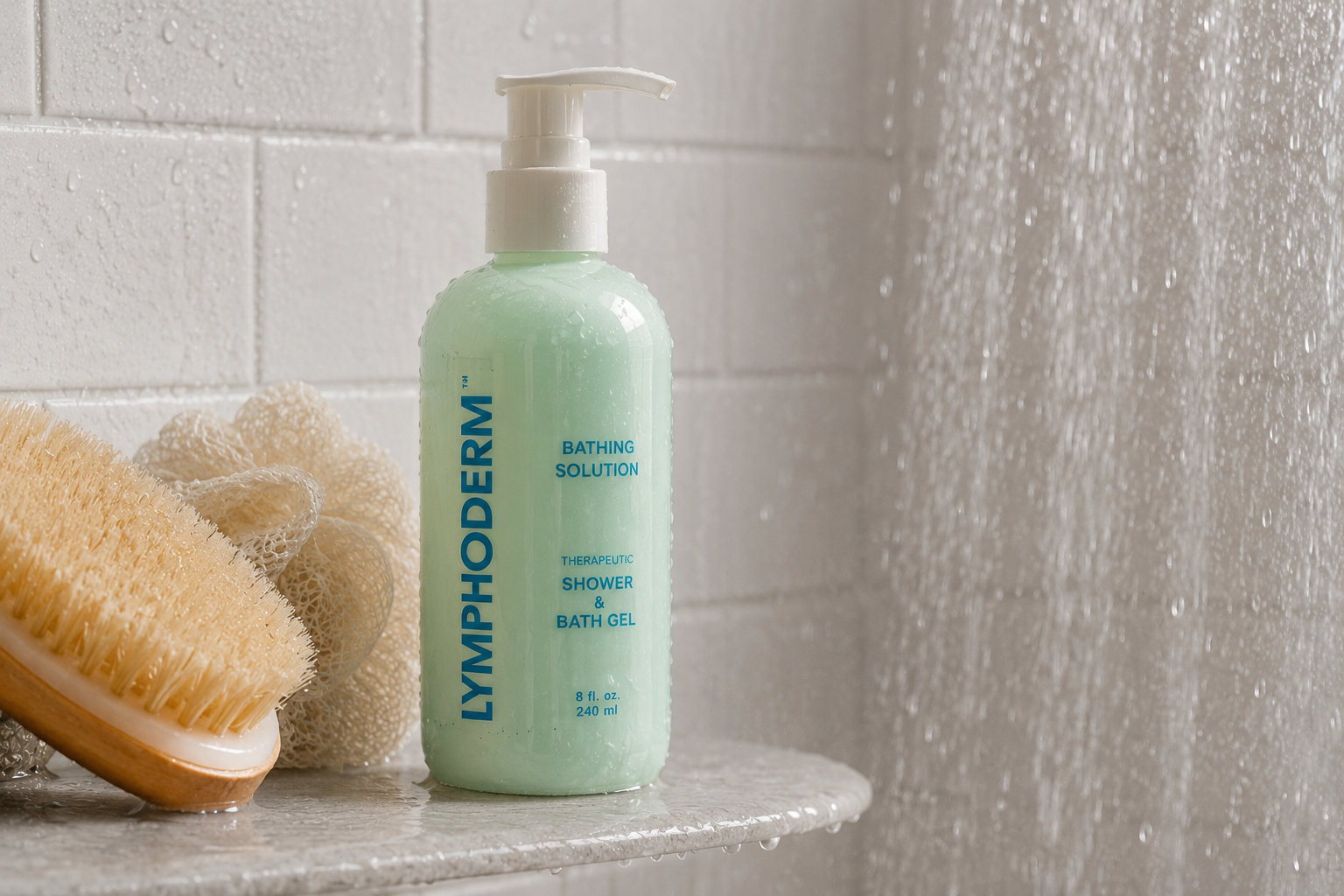
You step out of the shower feeling clean and refreshed, but within minutes your skin feels tight, uncomfortable, and somehow drier than before you got in. You slather on lotion, but by the time you're dressed, that tight feeling is back. Sound familiar? The problem isn't just dry skin. It's what's happening in those critical minutes right after your shower, and fixing it is simpler than you think.
The Shower Paradox: Why Water Makes Your Skin Drier
It seems backward. You just soaked your skin in water for 10 or 15 minutes. How can it possibly be drier afterward? The answer lies in understanding what hot water and cleansing actually do to your skin barrier.
Here's what happens during and after your shower:
Hot water strips natural oils – Your skin produces sebum to protect and seal in moisture, but hot water dissolves and washes these protective oils away
Cleansers remove the lipid barrier – Even gentle cleansers break down oils (that's their job), leaving skin temporarily unprotected
Water evaporation pulls moisture out – As the water on your skin surface evaporates, it actually draws moisture out from deeper skin layers (transepidermal water loss)
The barrier is wide open – For a brief window after showering, your skin barrier is more permeable than usual
The drying process accelerates – Bathroom fans, air conditioning, and low humidity speed up water evaporation from your skin
This creates a critical window: your skin is clean, but vulnerable. What you do in the next 3 minutes determines whether your skin stays hydrated or becomes progressively drier throughout the day.
The Science Behind Post-Shower Dryness
Understanding the mechanism helps you see why the timing of moisturizing matters so much.
Transepidermal Water Loss (TEWL)
This is the scientific term for water evaporating from your skin. It happens constantly, but it accelerates dramatically after showering.
What happens:
Water on your skin surface begins evaporating immediately
As it evaporates, it creates a drying effect that pulls moisture from deeper layers
Without protection, this cascade of moisture loss continues for hours
The window: The first 3 minutes after showering is when TEWL is most aggressive. This is also when your skin is most receptive to absorbing moisturizer.
The Lipid Barrier Disruption
Your skin's outer layer contains natural oils (lipids) that act like mortar between brick-like skin cells, keeping moisture in and irritants out.
What showering does:
Hot water and cleansers temporarily disrupt this lipid barrier
Your skin is left more permeable and less able to hold onto moisture
If you don't replace this protective layer quickly, moisture escapes
The opportunity: This same permeability that lets moisture escape also lets beneficial ingredients penetrate more deeply. Apply the right products now, and they work better than they would hours later.
The Temperature Factor
Hot showers feel amazing, but they're particularly hard on skin.
What heat does:
Dilates blood vessels, which can trigger inflammation
More aggressively strips oils than lukewarm water
Increases TEWL when you step out into cooler air
Can worsen existing skin conditions like eczema or rosacea
The fix: Turning down the temperature even slightly makes a measurable difference.
[Internal link to: Dry vs Dehydrated Skin]
The 3-Minute Fix: How to Lock In Moisture After Showering
This simple routine works with your skin's biology instead of against it. The key is timing and technique.
Minute 1: Strategic Drying
Most people towel off until they're completely dry. This is a mistake.
What to do instead:
Use a soft, clean towel to gently pat (not rub) your skin
Remove excess water but leave skin slightly damp
Think "damp" not "wet" and definitely not "bone dry"
Pay attention to areas prone to trapped moisture (between toes, skin folds) and dry these more thoroughly to prevent maceration
Why this works: Damp skin absorbs moisturizer better than wet or dry skin. You're creating the ideal canvas for hydration.
Time investment: 30-45 seconds
Minute 2: Immediate Moisturizer Application
This is the critical step that most people skip or delay.
What to do:
Apply your moisturizer immediately while skin is still damp
Use enough product to cover all areas (don't skimp)
Focus on naturally dry areas first (shins, elbows, feet)
Use gentle upward motions that follow your body's natural contours
Why this works: The water on your skin surface helps the moisturizer spread easily and penetrate deeply. You're sealing in the hydration from your shower plus adding more from your product.
Time investment: 60-90 seconds
Minute 3: Allow Absorption
Don't rush to get dressed. Give the product a moment to work.
What to do:
Wait 1-2 minutes for the moisturizer to fully absorb
Do other post-shower tasks (brush teeth, comb hair, apply face products)
Check that skin feels smooth and soft, not sticky or slippery
If very dry areas still feel tight, apply a second light layer
Why this works: Proper absorption means the moisturizer penetrates into skin layers where it's needed, rather than rubbing off on your clothes. Fast-absorbing formulas make this step quick.
Time investment: 60-90 seconds
Total time: 3 minutes from stepping out of the shower to being ready to dress. That's it.
The Right Products Make the Routine Work
The 3-minute fix only works if you're using appropriate products. Here's what to look for.
For Cleansing: Gentle Is Non-Negotiable
Your cleanser sets up everything that follows. Harsh cleansing creates damage that's hard to reverse.
What you need:
pH-balanced body wash or cleanser (not traditional bar soap)
Free of sulfates (especially sodium lauryl sulfate)
No artificial fragrances that can irritate vulnerable post-shower skin
Labeled for sensitive or dry skin
Why it matters: Stripping cleansers compromise your barrier so thoroughly that even immediate moisturizing can't fully compensate.
For Moisturizing: Fast-Absorbing Is Essential
You can't wait 20 minutes for a heavy cream to sink in. You need moisture that works quickly.
What you need:
Fast-absorbing formula that sinks in within 2-3 minutes
Humectants (glycerin, hyaluronic acid) that draw water into skin
Barrier-supporting ingredients (ceramides, minerals, fatty acids)
No heavy oils that sit on the surface or feel greasy
Why it matters: Products designed for fast absorption let you move through your routine without the sticky, greasy residue that makes getting dressed unpleasant.
[Internal link to: Fast-Absorbing Body Lotion for Dry Skin]
Common After-Shower Mistakes That Sabotage Hydration
Even with good intentions, these mistakes undo your efforts.
Mistake #1: Waiting Too Long to Moisturize
You get out of the shower, wrap yourself in a towel, check your phone, make coffee, get dressed, and then remember to moisturize.
Why it's a problem: By this point, significant moisture loss has already occurred. Your skin is dry and your barrier is starting to close back up, making products less effective.
The fix: Make moisturizing the second thing you do after showering (first is gentle drying). Everything else can wait 3 minutes.
Mistake #2: Drying Skin Completely Before Moisturizing
You towel off until every trace of water is gone, then apply lotion to dry skin.
Why it's a problem: You've lost the hydration from the shower and you're applying product to a less receptive surface.
The fix: Pat until damp, not dry. That remaining moisture is a feature, not a problem.
Mistake #3: Using Too Little Product
You use a tiny amount of moisturizer, thinking it will stretch further or absorb better.
Why it's a problem: Insufficient product can't adequately protect your skin or provide the hydration you need.
The fix: Use enough to comfortably cover each area. A quarter-sized amount per limb is a good starting point. You can adjust based on your skin's needs.
Mistake #4: Taking Showers That Are Too Hot
The hotter the water, the better it feels, right? Unfortunately, not for your skin.
Why it's a problem: Hot water is extremely stripping. It removes more oils, causes more inflammation, and creates more severe post-shower dryness.
The fix: Turn the temperature down to warm (not hot). Your skin will thank you, even if it takes a few showers to adjust.
Mistake #5: Showering Too Long
Long, luxurious showers can be relaxing, but they're hard on dry skin.
Why it's a problem: The longer the exposure to hot water and cleansers, the more opportunity for barrier disruption and oil stripping.
The fix: Keep showers to 5-10 minutes when possible. If you want longer shower time, lower the temperature and minimize the time you're actively cleansing.
Mistake #6: Using the Wrong Towel Technique
You vigorously rub yourself dry with a rough towel.
Why it's a problem: Aggressive towel friction can damage already-vulnerable skin and increase irritation and redness.
The fix: Use soft towels and pat gently. If your towels feel rough, they may be damaged by fabric softener buildup or need replacing.
[Internal link to: Lymphedema Skin Care Routine]
How to Adjust the Routine for Different Skin Types
The 3-minute framework works for everyone, but the details vary based on your specific needs.
For Very Dry or Mature Skin
Your skin needs more intensive barrier support.
Adjust the routine:
Use a creamier (but still fast-absorbing) moisturizer
Apply a slightly heavier layer
Consider a second application on particularly dry areas (heels, elbows, knees)
May need to moisturize twice daily, not just after showering
For Sensitive or Reactive Skin
Your skin needs gentler everything and zero irritants.
Adjust the routine:
Fragrance-free
Choose products specifically formulated for sensitive skinproducts are non-negotiable
Use the coolest water temperature you can tolerate
Pat extra gently when drying
For Dehydrated Skin (Lacking Water)
Your skin drinks up moisture but can't hold onto it.
Adjust the routine:
Emphasize humectant-rich products (glycerin, hyaluronic acid)
Consider applying a hydrating mist before moisturizer for extra water
Focus on barrier-repair ingredients that help skin retain moisture long-term
May need additional hydration during the day, not just after showering
For Skin Under Compression or Medical Management
Your skin has specific needs related to your health condition.
Adjust the routine:
Use products that absorb completely with zero residue (critical for compression wear)
Wait the full 2-3 minutes for absorption before applying compression garments
Follow any specific protocols from your healthcare provider
Pay extra attention to areas that will be under compression
For Active or Athletic Lifestyles
You may shower multiple times daily or have increased moisture loss from sweating.
Adjust the routine:
Use the routine after every shower, even quick rinses
Keep a travel-size moisturizer in your gym bag
Consider lighter formulations that absorb instantly
Focus on maintaining consistency even when rushed
Beyond the Shower: Other Times to Use the 3-Minute Routine
The post-shower window is ideal, but similar principles apply in other situations.
After Swimming
Chlorine and salt water are extremely drying and strip oils aggressively.
What to do:
Rinse thoroughly with fresh water
Pat damp and moisturize immediately
Consider pre-swim moisturizing for some protection (though it won't survive the water)
After Bathing
Baths can be even more drying than showers due to prolonged water exposure.
What to do:
Drain the tub and apply moisturizer while still sitting in it if possible
Pat damp and moisturize immediately upon standing
Consider adding colloidal oatmeal or oils to bath water for skin protection
Before Bed (If Not Showering)
Evening hydration supports overnight skin repair even without a shower.
What to do:
Quick cleanse with a damp washcloth if needed
Apply moisturizer more generously than morning (you don't need to worry about getting dressed)
This is a good time for targeted treatment of very dry areas
Environmental Factors That Affect Post-Shower Dryness
Your environment can work for or against your efforts.
Bathroom Humidity
The problem: Exhaust fans pull moisture out of the air rapidly, increasing the drying effect on your skin.
The solution: Turn off the exhaust fan while you do your 3-minute routine, or apply moisturizer in a more humid room (like your bedroom).
Seasonal Changes
The problem: Winter heating and low humidity create much drier conditions than summer.
The solution: Adjust the amount of moisturizer you use seasonally. You may need 50% more product in winter than summer to achieve the same hydration level.
Air Conditioning
The problem: AC removes moisture from the air, creating a drying environment.
The solution: Use a humidifier in your bedroom, especially if you shower at night. Increase moisturizer application during peak AC season.
Travel
The problem: Hotel rooms often have very dry air, and you may not have your usual products.
The solution: Pack travel sizes of your go-to products. Request a humidifier at hotels if staying multiple nights.
The Long-Term Benefits of the 3-Minute Routine
Consistency with this simple routine creates cumulative benefits over time.
Week 1: Immediate Relief
What happens: Skin feels more comfortable throughout the day. The tight, itchy feeling after showering diminishes.
What to do: Stay consistent even if results feel modest. Your barrier is beginning to repair.
Weeks 2-4: Visible Improvement
What happens: Flakiness decreases noticeably. Skin texture becomes smoother. You may need less product as your barrier strengthens.
What to do: Assess if your routine is working well or needs adjustment. This is a good time to fine-tune product amounts.
Months 2-3: Transformed Skin Barrier
What happens: Your skin becomes noticeably more resilient. It doesn't react as dramatically to hot showers or environmental changes. Natural moisture retention improves.
What to do: Maintain your routine to preserve these benefits. Your skin barrier is healthier, but it still needs consistent care.
Long-Term: Sustained Comfort
What happens: The routine becomes automatic. Your skin stays comfortable with minimal effort. You may prevent issues that would have developed with neglect (severe dryness, eczema flares, barrier breakdown).
What to do: Keep going. This is now just part of healthy hygiene, like brushing your teeth.
Troubleshooting: When the 3-Minute Fix Isn't Enough
For most people, this routine solves post-shower dryness. But sometimes additional issues need addressing.
Problem: Skin Still Feels Tight Within Hours
Possible causes: Your moisturizer isn't providing enough hydration, or your barrier is severely compromised.
Solutions:
Switch to a more intensive barrier-repair formula
Add a second moisturizing step during the day
Evaluate your cleanser (it may be too harsh)
Lower your shower temperature
Problem: Skin Looks Better But Feels Itchy
Possible causes: Product sensitivity, healing process, or underlying condition.
Solutions:
Check all products for fragrance and common allergens
Ensure you're rinsing cleanser completely
Consider whether you have eczema or dermatitis that needs medical treatment
Try completely fragrance-free, minimal-ingredient products
Problem: Moisturizer Feels Greasy or Won't Absorb
Possible causes: Wrong product formula for your needs, applying to too-wet skin, or using too much.
Solutions:
Switch to a faster-absorbing formula
Pat more thoroughly before moisturizing (aim for damp, not dripping)
Use less product and see if absorption improves
Wait an extra minute before dressing
Problem: Skin Gets Dry Again By Evening
Possible causes: Severe dehydration, environmental factors, or insufficient initial hydration.
Solutions:
Add a second moisturizing session in the evening
Use a humidifier in your living and sleeping spaces
Increase water intake (supports internal hydration)
Consider whether lifestyle factors (caffeine, alcohol, medications) are contributing
[Internal link to: Best Soap for Lymphedema]
FAQs About Post-Shower Skin Dryness
Why does my skin feel tighter after a shower than before?
Showers strip your skin's natural protective oils through hot water exposure and cleansing. As the water on your skin evaporates, it pulls moisture from deeper layers (transepidermal water loss), leaving skin feeling tight and dry. This is why immediate moisturizing is so important—it interrupts this moisture-loss cycle.
Should I moisturize damp or dry skin after showering?
Always moisturize slightly damp skin. Pat yourself until just barely damp (not dripping wet, not bone dry), then apply moisturizer immediately. The water on your skin helps products spread easily and penetrate more deeply, and you're sealing in that surface moisture along with the hydration from your moisturizer.
How long should I wait after showering to apply lotion?
Don't wait. Apply moisturizer within 3 minutes of stepping out of the shower, ideally within 1 minute. This is when your skin is most receptive to hydration and when you can prevent the cascade of moisture loss that leads to tight, dry skin.
Can hot showers cause dry skin even with moisturizer?
Yes. Very hot showers strip oils so aggressively that even excellent moisturizing can't fully compensate. The solution is to lower your water temperature to warm (not hot) and keep showers relatively brief (5-10 minutes). This prevents severe damage that requires intensive repair.
What's the best body lotion to use after showering?
The best body lotion for after-shower use is one that absorbs quickly (within 2-3 minutes), contains humectants to draw in moisture and barrier-repair ingredients to prevent water loss, is fragrance-free if you have sensitive skin, and works with your lifestyle (especially if you need to dress quickly or wear compression garments).
Why does my skin still feel dry even though I use lotion every day?
If you're moisturizing but timing it wrong (waiting too long after showering), using a product that doesn't match your skin's needs, applying to completely dry skin instead of damp, or using a cleanser that's too harsh and damages your barrier faster than moisturizer can repair it, you won't see improvement. The 3-minute post-shower routine addresses all these issues.
The Bottom Line: Timing Is Everything
Post-shower dryness isn't inevitable. It's the result of moisture loss that happens when you don't protect your skin during that critical 3-minute window after washing. The fix is simple: pat damp, moisturize immediately, and give products a moment to absorb before getting dressed.
This routine takes the same amount of time as checking your phone or making coffee, but the difference it makes to your skin comfort is dramatic. Consistent timing turns what feels like a losing battle against dry skin into an effortless part of your daily routine.
Your shower doesn't have to leave your skin feeling worse. Three minutes is all it takes to change that.
Ready to Make the 3-Minute Fix Part of Your Routine?
If you're tired of stepping out of the shower only to feel tight, dry, and uncomfortable within minutes, it's time for products that work with this routine instead of against it.
The Lymphoderm Starter System gives you everything you need: a gentle Bathing Solution that cleanses without stripping, and a fast-absorbing, mineral-rich Lotion that locks in moisture immediately after showering. No greasy residue. No waiting around. Just comfortable, protected skin that stays hydrated.